How Long Can the Anker Solix S2000 Run Your Refrigerator?
The Anker SOLIX S2000 can run a refrigerator for up to 35 hours, but that headline number makes the most sense for efficient fridges with modest average power draw. With a 2,010Wh battery, this portable power station is built for emergency home backup and can keep essential appliances running during outages. For most refrigerators, actual runtime depends on daily energy use, room temperature, compressor activity, and how often the door opens. The practical question is not whether it can power a fridge, but how long it can do so in your specific setup. By understanding battery capacity, refrigerator consumption, and a few simple efficiency steps, you can estimate runtime more accurately and stretch backup power when you need it most.
How Long Can the Anker SOLIX S2000 Actually Run a Refrigerator?
Understanding the S2000’s 2,010Wh Battery Capacity and 35-Hour Runtime Claim
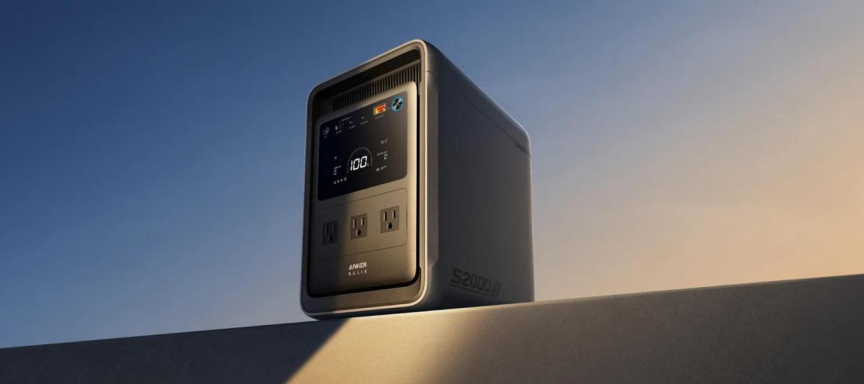
The Anker SOLIX S2000 Portable Power Station has a 2,010Wh battery capacity, uses a 314Ah LiFePO4 battery, and delivers 1,500W rated output with 3,000W peak output, which is enough to handle a refrigerator’s startup surge in many cases. The 35-hour refrigerator runtime claim reflects a low average power draw, not a fridge pulling full running wattage continuously. Refrigerators cycle on and off, so their average hourly use is often far lower than their compressor’s active wattage. The S2000 is designed for emergency backup, and its long-life battery retains 80% capacity after 6,000 cycles. For short outages and overnight protection, that makes it a practical option for keeping food safely cooled while other essentials remain powered as needed.
How to Calculate Refrigerator Runtime Using Energy Consumption
To estimate runtime, divide the usable battery energy by your refrigerator’s average hourly consumption. Starting with 2,010Wh, a realistic calculation should account for inverter losses, so usable energy is often somewhat lower than the headline capacity. If your refrigerator averages 60W over time, divide usable watt-hours by 60 to estimate operating hours. A fridge using about 1.4kWh per day averages roughly 58W, which aligns with a backup time near the 35-hour claim under favorable conditions. If your unit consumes 2kWh per day, average draw is about 83W, and runtime drops accordingly. Check the energy label or manual for daily kWh usage, then convert that figure into hourly consumption for a much more accurate estimate.
What Factors Affect Your Refrigerator’s Runtime?
Refrigerator Size, Energy Efficiency, and Daily Power Consumption
A compact or newer energy-efficient refrigerator usually runs much longer on backup power than a large older model. Size matters because bigger refrigerators often have larger compressors, more interior space to cool, and higher daily energy use. Efficiency matters just as much. A well-insulated modern unit may consume far less electricity over 24 hours than an aging fridge of similar size. That daily kWh figure is one of the best predictors of runtime because it reflects real operating behavior instead of just startup or running wattage. If your refrigerator uses relatively little energy each day, the power station can support it for a longer stretch. If consumption is high, backup time shortens even when the battery remains the same.
Ambient Temperature, Compressor Cycling, and Door-Opening Frequency
Room conditions and household habits can change refrigerator runtime more than many people expect. In a hot garage or warm kitchen, the compressor runs more often and for longer periods, which raises average power use and drains the battery faster. The same happens when the refrigerator is packed with warm groceries after a shopping trip. Door-opening frequency also matters because every opening lets cold air escape and forces the compressor to work harder to restore the set temperature. A refrigerator that stays closed most of the time uses less energy during an outage than one opened repeatedly for snacks, drinks, or meal prep. Cooler surroundings, stable internal temperatures, and fewer door openings all help extend backup time in a measurable way.
How to Extend Refrigerator Backup Time with the Anker SOLIX S2000
Reduce Unnecessary Power Consumption and Optimize Refrigerator Settings
To get the longest refrigerator runtime, start by reducing avoidable energy demand before an outage happens. Set the refrigerator to a safe, efficient temperature rather than overcooling it, and make sure door seals are clean and tight so cold air does not leak out. Keep the fridge reasonably full, since chilled items help stabilize internal temperature and reduce compressor cycling. During backup use, avoid frequent door openings and group essentials together so they are easy to access quickly. If your refrigerator has features like rapid cooling, ice boosting, or bright display lighting, turn them off when possible. Small adjustments like these lower average power consumption, which directly translates into more hours of cooling from the same stored battery energy.
Monitor Battery Usage and Explore Solar Recharging Options
Active monitoring helps you manage backup time more effectively. Watch the power station’s remaining battery level and the refrigerator’s actual draw so you can spot patterns, such as heavier compressor use during hot parts of the day. If battery percentage is dropping faster than expected, reducing door openings or adjusting the refrigerator setting slightly can preserve valuable hours. For longer outages, solar recharging can extend operation instead of relying only on stored energy. Replenishing part of the battery during daylight can offset the refrigerator’s daily consumption and make backup more sustainable. This approach is especially useful in emergencies when grid power is unavailable for an extended period. Monitoring and recharging together give you much better control over refrigeration runtime.
Conclusion
The Anker SOLIX S2000 can run a refrigerator for up to 35 hours when the fridge is efficient and its average energy use is low. Its 2,010Wh capacity gives it enough reserve for many common home refrigerators during outages, especially when compressor cycling is moderate and the door stays closed. A more realistic estimate comes from your refrigerator’s daily kWh consumption, converted into average hourly demand. From there, you can judge whether the expected runtime covers overnight backup, a full day, or longer with solar support. If you want the best results, combine accurate runtime calculations with smart energy-saving habits. That gives you a clear answer, practical expectations, and a better chance of keeping food cold until power returns.
Hot Articles







Copyright © 2023 furnitureknowledges.com. All rights reserved.