What Factors Affect In Vitro ADME Outcomes?
In vitro ADME studies give vital information on how medicines act prior to clinical trials. However, the accuracy of these results is determined by a variety of circumstances. The results are influenced by the experimental design, assay conditions, and drug attributes. Small differences in laboratory conditions might provide varied outcomes, influencing drug development decision-making. Scientists must carefully manage these factors in order to obtain accurate and reproducible results. Understanding what influences in vitro ADME outcomes enables researchers to appropriately evaluate data and avoid drawing false conclusions. By identifying important contributing elements, teams may improve research design, improve prediction of in vivo behavior, and boost confidence in choosing viable drug candidates for continued development.
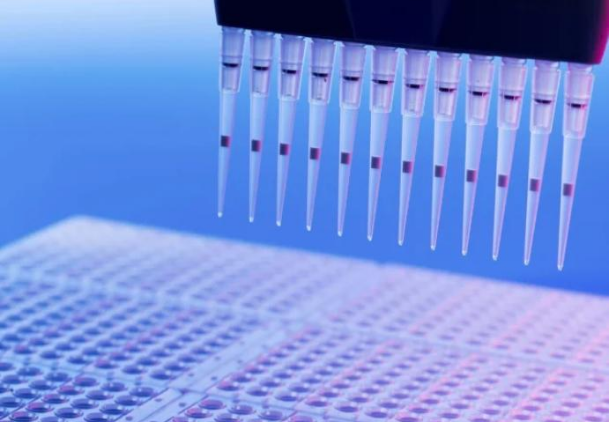
What Experimental Factors Influence In Vitro ADME Results?
Assay Conditions, pH, and Temperature Control
Assay conditions play a major role in determining in vitro adme outcomes. Enzyme activity, drug solubility, and chemical stability are directly influenced by factors such as pH and temperature. In order to function correctly, enzymes utilized in metabolism research frequently necessitate specific temperature ranges. Activity may be diminished, or reaction rates may be altered as a result of deviations. Drug ionization is influenced by pH conditions, which in turn impact permeability and binding interactions. Results may not be effectively transferred to in vivo systems if the assay conditions do not accurately represent physiological environments. Experiments are meticulously designed by scientists to ensure that they maintain consistent conditions. The capacity to predict the behavior of a substance in the body under actual conditions is enhanced by the implementation of appropriate control measures, which guarantee the reliability of data.
Choice of Biological Models and Enzyme Sources
The in vitro ADME results are substantially influenced by the selection of biological models and enzyme sources. Researchers may employ recombinant enzymes, hepatocytes, or liver microsomes to investigate metabolism. The complexity of each system may vary, and the results may also differ. Enzyme activity is also influenced by species differences, which can affect the metabolism of pharmaceuticals. Human-derived systems frequently yield more pertinent data for clinical predictions. Nevertheless, these models may be restricted in terms of their stability or availability. Models must be selected by scientists in accordance with the objectives of the study and the characteristics of the substance. The results of drug development are supported by reliable decision-making and accurately reflect metabolic behavior as a consequence of careful selection.
Sample Preparation, Handling, and Analytical Methods
Accurate in vitro ADME data necessitate meticulous sample preparation and handling. Drug degradation or inconsistent concentrations may result from inadequate preparation. The results can be influenced by factors such as the choice of solvent, storage conditions, and blending procedures. Additionally, analytical methodologies are important. In order to guarantee precision and sensitivity, it is imperative that techniques such as liquid chromatography and mass spectrometry undergo appropriate validation. Inaccurate conclusions regarding substance behavior may result from measurement errors. In order to guarantee reproducibility and preserve the integrity of samples, scientists adhere to rigorous protocols. Researchers can produce high-quality data that facilitates effective decision-making and reliable interpretation during drug development by managing these variables.
How Do Drug Properties Impact In Vitro ADME Outcomes?
Solubility, Permeability, and Chemical Stability
In vitro ADME outcomes are significantly influenced by drug properties. The amount of a substance that is present in a solution for testing is determined by its solubility. Absorption or metabolism may be underestimated due to poor solubility. The movement of medications across membranes in cell-based assays is influenced by permeability. Another critical factor is chemical stability. Inaccurate results may result from the degradation of unstable compounds during experiments. In order to guarantee that assays accurately represent the behavior of drugs, scientists assess these characteristics. The limitations can be mitigated by modifying the experimental conditions or formulation. Researchers can enhance the quality of their data and make more accurate predictions about in vivo performance and therapeutic potential by comprehending the interaction between these properties and assay systems.
Protein Binding and Interaction with Transporters
Protein binding and transporter interactions are critical in in vitro ADME research. Drugs may bind to proteins in the assay system, limiting the quantity of free chemical accessible for action. This may have an impact on metabolic or permeability parameters. Transporters regulate the flow of medicines across cell membranes, influencing absorption and distribution effects. Variability in transporter expression between models may result in diverse consequences. Scientists consider these aspects while developing experiments and evaluating findings. Understanding binding and transport pathways allows researchers to better anticipate drug behavior in the body and improve the applicability of in vitro findings in clinical scenarios.
Molecular Structure, Lipophilicity, and Metabolic Liability
The interaction between pharmaceuticals and biological systems in vitro is influenced by lipophilicity and molecular structure. Measured concentrations may be influenced by the intense binding of lipophilic compounds to membranes or proteins. The ease with which enzymes can access and metabolize the drug is determined by its structural characteristics. Certain compounds are more susceptible to accelerated metabolism, resulting in a high metabolic liability. Others may maintain their resilience and endure for an extended period. The results and interpretation of the assay can be influenced by these characteristics. In order to comprehend these effects, scientists examine the relationships between structure and activity. They can enhance stability and mitigate metabolic risks by altering chemical structures. This method enhances the optimization of drug candidates and guarantees a more precise prediction of their in vivo behavior.
Conclusion
The results of in vitro ADME are dependent on both drug characteristics and experimental circumstances. To guarantee accurate findings, variables including assay design, biological models, and analytical techniques must be properly managed. Intrinsic drug properties, such as solubility, stability, and molecular structure, also significantly influence the results. Researchers can create better experiments and more properly interpret results when they are aware of these impacts. Scientists can increase the predictive value of in vitro research by addressing both experimental and compound-related characteristics. Better decision-making, lower development risks, and more successful advancement of viable drug candidates result from this.
Hot Articles








Copyright © 2023 furnitureknowledges.com. All rights reserved.